

How Godspeed Became a Streetwear Name: The Roots
Well before it appeared stitched into a hoodie or splashed across a tee, “godspeed” was a term uttered to travelers venturing into uncertainty. It carried weight. It translated to “may fortune ride with you,” a parting phrase kept for journeys that carried stakes. It’s precisely this history that explains why the word migrated into streetwear culture, where clothing has always doubled as a statement of who you are, what you mean, and where you’re headed. Knowing the meaning behind godspeed helps show why a single word can ground an entire clothing philosophy rather than simply being decoration on fabric.
Streetwear brands have never hesitated to lift language with real heft. Labels have drawn on military slang, religious phrasing, and old-world idioms because these words already carry emotional shorthand. Godspeed slotted right into that tradition. It’s short, it’s punchy, and it reads as both a blessing and a challenge — move quickly, travel far, and do it with intent. This dual meaning is exactly what keeps the name lasting instead of merely fashionable.
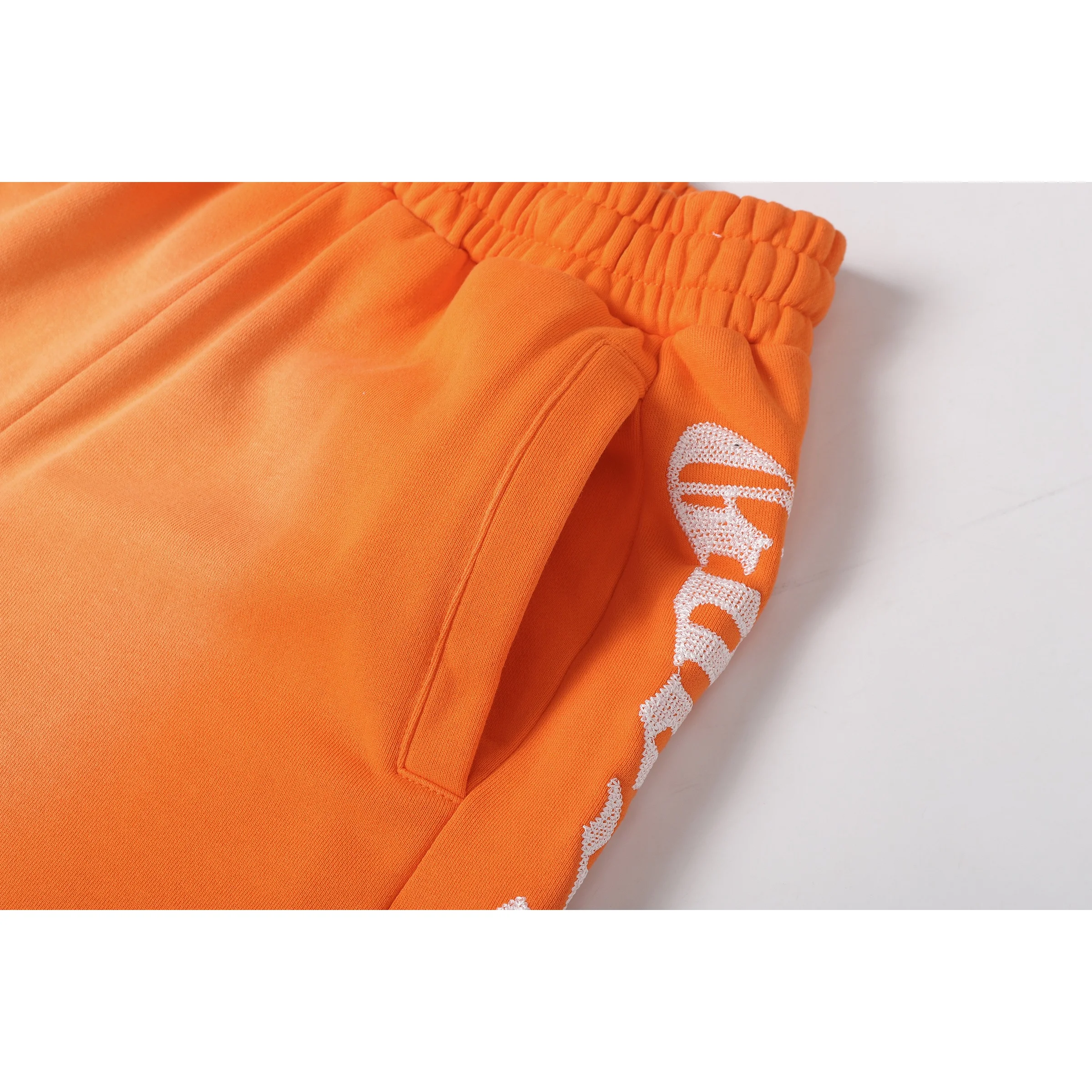
Where the Word Godspeed Actually Comes From
The phrase traces back to Middle English, roughly the 14th century, when “God spede you” was a typical send-off wishing someone good fortune and a safe journey. This wasn’t throwaway slang; it was more akin to a blessing spoken ahead of a person’s leaving on a journey that was long or perilous — a merchant heading to a distant market, a soldier departing for battle, a wanderer beginning an uncertain path. Across the centuries, the phrase condensed into the single word we use today.
By the time it reached modern English, godspeed had come to occupy a more ceremonial register. It’s spoken at launches, departures, farewells, and moments of transition. This is exactly what godspeed means at its core: a word for the threshold moment, the instant right before something significant begins. Brands in streetwear are pulled toward this kind of threshold language because their customers are often at their own thresholds — new cities, new identities, new chapters.
Since it sets godspeed apart from typical slang-driven or shock-value streetwear names, this history carries real significance. With 600+ years of documented use in English literature, including its presence in the plays of Shakespeare, the word carries a literary backbone few streetwear names can claim. That’s thegodspeed.net part of why it still resonates in 2026, long after many of its naming-era contemporaries have faded.
How Godspeed Found Its Way Into Streetwear Culture
The streetwear space has consistently drawn on words that conjure movement, defiance, or transformation — look at how many brand names draw on speed, survival, or struggle. Godspeed falls into that tradition while adding something that most others miss: a baked-in feeling of benediction rather than confrontation. It doesn’t posture. It doesn’t threaten. It offers encouragement to the wearer while still driving them ahead.
The significance here is as much commercial as cultural. A godspeed tee requires no shock-value imagery to earn its name; the term alone carries emotional weight. Such a trait is uncommon in a market saturated with logos competing for attention through volume rather than meaning. Because the word already carries generations of meaning, the creative team can prioritize shape, material weight, and fit instead of engineering a false sense of attitude.
The growing recognition of godspeed clothing as its own category also reflects a broader movement across the 2020s toward introspective streetwear — brands built around mantras, affirmations, and personal narratives rather than pure hype cycles. Godspeed moved with that wave effortlessly because the term was never rooted in hype to start with. The word centered on leaving, hoping, and moving ahead, themes that resonate deeply with a generation facing financial unpredictability and ceaseless reinvention.
Why the Name Resonates With Streetwear Buyers Today
Modern streetwear customers, most notably those between 18 and 34, lean toward brands that seem to stand for something beyond mere cloth. Surveys on apparel purchasing behavior repeatedly reveal that a name or story with real substance boosts perceived worth, regardless of matching fabric specs against competitors. This dynamic works directly in Godspeed’s favor because the word comes already charged with story and meaning.
A practical dimension exists too. The godspeed hoodie serves as protection for everyday life — a piece suited to commuting, training, traveling, or pushing through a demanding week — while still holding onto that implication of forward momentum. Garments capable of serving both the everyday and the aspirational, tends to have longer shelf life in a customer’s rotation than pieces that only serve one mood.
The name also travels well across languages and cultures, which carries weight for any godspeed clothing brand with goals that extend past one region. “Godspeed” carries emotional impact without needing translation; the concept of wishing someone well on a journey is nearly universal. This cross-cultural clarity is part of why the term has held up as a durable brand identity rather than being a fleeting fad limited to one city or scene.
Comparing Godspeed Naming Themes to Other Streetwear Approaches
To grasp why godspeed stands apart, it’s useful to weigh it against the other prevailing naming tactics streetwear labels typically adopt. The chart that follows outlines four typical strategies by tone, durability over time, and usual customer perception.
| Approach to Naming | Base Attitude | Longevity Risk | What Shoppers Tend to Associate It With |
|---|---|---|---|
| Godspeed-type (built from farewell-and-blessing expressions) | Uplifting, forward-moving | Minimal — grounded in age-old phrasing | Journey, drive, staying power |
| Names built on aggression | Confrontational, assertive | Medium — can lose relevance as the zeitgeist moves on | Power, nonconformity |
| Slang-of-the-moment names | Trendy, in-crowd | Elevated — bound to a fixed point in time or platform | Newness, insider standing |
| Founder surname/initials | Personal, creator-centered | Somewhere between low and moderate — hinges on the founder’s public profile | Artisanship, distinctiveness |
What this comparison demonstrates why a name built on time-honored language weathers time more gracefully than a name pulled from a trendy meme, a passing slang word, or something anchored to one specific era. Godspeed never requires a cultural update every couple of seasons because the meaning behind it was never bound to a single point in time — it was rooted in a common, universal experience of parting ways, holding onto hope, and pressing onward.
“Godspeed” on a Piece: The Message It Sends
Wherever it’s placed—chest, sleeve, or back, the word functions more as a mantra when it appears. The distinction is a deliberate one. A logo says “buy this brand.” A mantra says “carry this idea with you.” Customers who choose a godspeed shirt over a plain graphic tee are often making a small personal statement about momentum — the impression that they’re in the midst of moving toward something, even if it’s not yet clearly defined.
It’s also why the word fits so seamlessly alongside minimalist design language. Oversized fits, muted colorways, and clean typography let the word carry the emotional payload rather than clashing with cluttered graphics. The word’s own restraint is reflected in the design’s restraint — godspeed isn’t loud, it’s declarative.
A great many godspeed shirts are cut using sturdy cotton paired with defined cuts, and that’s not random—rather than flimsy, disposable fabric. Such a historically loaded word deserves a garment made for longevity, not one destined for the charity box after only one trip through the laundry. The garment’s material toughness turns into a quiet echo of the durability of the phrase itself.
On the Approach to 2026, its Enduring Relevance Persists
Fast as it moves, street-fashion currents have already turned no shortage of early-2020s naming conventions into wistful memory. Unlike trend-dependent labels, Godspeed has not followed that trajectory, chiefly since it was never tied to fads from the start. It draws from something older and steadier than any single streetwear season — a tradition rooted in language that came long before the very idea of streetwear by roughly 500 years.
Looking ahead to 2026, consumer appetite for story-rich apparel continues to grow rather than shrink. Buyers are growing more wary of names that exist just to display a logo, while they’re rewarding brands and narratives that can withstand a closer look. The brand remains credible because its narrative isn’t manufactured marketing copy — instead it’s a matter of recorded linguistic record that anyone can verify.
Seldom does fashion naming pull off such a blend of genuineness and emotional depth, which is exactly why the word continues to ground hoodies, shirts, and full collections with no need for a refresh. Certain names require nonstop updating just to remain relevant; godspeed simply needs to continue meaning what it has always meant.