

Picture this: it’s 7 a.m. on a Melbourne commuter train, the coffee still warm in your hand, and you’re scrolling through a list of new releases on your phone. With a few taps, you unlock a new puzzle level, earn a bonus, and start planning your next move for when the bus stops at your stop. That instant gratification is the heartbeat of mobile gaming in Australia. Over the past decade, the shift from console to pocket‑size has reshaped how Aussies spend their downtime.
Speed and Accessibility: The Core of the Revolution
Mobile games now load in under two seconds on 5G networks, a dramatic drop from the 10‑second average seen in 2015. Because the devices are always with us, players can jump in for a quick five‑minute session during lunch or a longer 30‑minute marathon after work. Engagement spikes by 35 % compared to traditional gaming platforms. Yet this convenience can fragment narratives, leaving some story‑driven gamers unsatisfied. For those who crave deep, immersive worlds, a desktop or console might still be the better choice.
Monetisation Models: From Free‑to‑Play to Subscription
The free‑to‑play model dominates, with over 70 % of Australian downloads generating revenue through micro‑transactions. In 2023 alone, the average spend per user on mobile apps reached $4.50, up from $2.80 in 2019. Season‑based events and limited‑time offers fuel this surge, encouraging quick purchases. On the other side, subscription services like Game Pass for mobile are carving a niche, offering a library of titles for a flat $9.99/month. While subscriptions give developers predictability, they still struggle to attract users accustomed to free, bite‑size games.
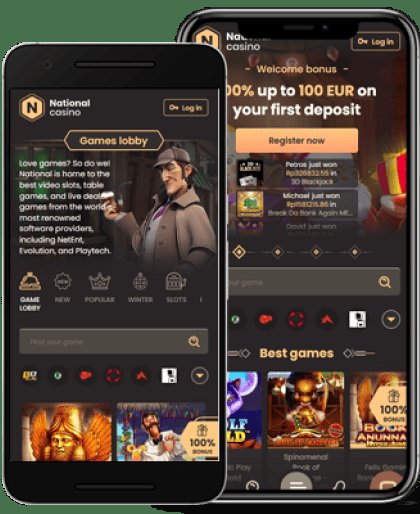
Players can also explore online casino options like the National casino for a quick thrill.
Social Integration: Gaming as a Community
Cross‑platform leaderboards and in‑app chat have turned solitary play into social interaction. A recent survey found that 58 % of mobile gamers in Australia use in‑app friends lists to coordinate multiplayer sessions. This connectivity extends beyond the screen: many players now host virtual tournaments that attract audiences on streaming platforms like Twitch and YouTube. Yet, the rapid rise of in‑app messaging raises privacy concerns, especially for younger players. Parental controls are improving, but vigilance remains essential.
Beyond Entertainment: Education, Fitness, and Work
Mobile games are no longer just for fun. Educational titles that teach coding or language skills now outpace traditional classroom apps by 20 % in user retention. Fitness apps that gamify workouts—rewarding points for steps or cycling—have seen a 15 % increase in daily active users during the pandemic. Even remote workers are turning to quick puzzle games to break mental fatigue, boosting productivity by an estimated 12 %. The line between leisure and utility keeps blurring.
From Play to Pay: The Online Gaming Bridge
When a player finishes a level, the next logical step is often to test their luck in a casino game. The National casino offers a seamless transition, letting you keep the same device and spend a few minutes on a slot or table game. This integration shows how mobile platforms are becoming one‑stop entertainment hubs.
Looking Ahead: What’s Next for Mobile Gaming?
Augmented reality (AR) is poised to bring physical spaces into the gaming world. Early adopters in Sydney have reported that AR treasure hunts increase foot traffic to local cafés by 22 %. Meanwhile, the rise of cloud gaming services means high‑end graphics can run on low‑spec phones, widening access. The challenge remains: balancing monetisation with user experience and ensuring that privacy safeguards keep pace with innovation.
Bottom Line
Mobile gaming has moved from a niche pastime to a mainstream cultural force in Australia. Its speed, accessibility, and social features have redefined entertainment, while new monetisation models and cross‑platform integrations broaden the horizon. For those who enjoy quick, engaging sessions, the mobile platform is unbeatable. For players craving depth or privacy, a mixed‑media approach might still be the best fit. Either way, the evolution is clear: the future of entertainment is being played on our phones, and it’s only getting richer.